
Amplified Vault: A Monthly Deep Dive into Iconic Albums & Artists
Amplified Vault unpacks legendary discographies, decoding what made them matter—and how they still resonate. For this installment, we step into the world of David Berman, a poet of the backroads whose musical output across Silver Jews and Purple Mountains blends lo-fi myth-making, country-noir tenderness, and biting wit. Whether soaked in hiss or gilded in melancholy, his songs speak from the margins with clarity, humor, and heartbreak.
Amplified Vault: Decoding Silver Jews & David Berman – Ranking Every Album

Country fuzz, cosmic wit, and lyrical weight.
Formed in the early ’90s by poet David Berman with help from Pavement’s Stephen Malkmus and Bob Nastanovich, Silver Jews began as a mysterious lo-fi project before evolving into one of indie rock’s most literate and affecting bands. Across six albums, Berman shifted from cryptic sound collages to alt-country confessionals, all while honing a distinct voice—equal parts philosopher, barfly, and romantic. His 2019 return as Purple Mountains was a brief but powerful coda, cementing his legacy as a songwriter of singular depth. This Vault traces that evolution—one full of deadpan punchlines, broken landscapes, and hard-earned grace.
Bonus Entry: Early Times (2012)

Early Times compiles the earliest Silver Jews recordings from the Dime Map of the Reef and The Arizona Record EPs. These songs are raw, lo-fi fragments recorded on boomboxes and four-tracks, full of tape hiss, stray noise, and abstract poetry. Featuring Berman, Malkmus, and Nastanovich, it captures the band in their art-damaged infancy—more experimental sound collage than rock band. Yet, even amid the static, Berman’s strange charisma shines through. This collection won’t convert new fans, but for those already smitten, it’s a glimpse into the primordial soup of one of indie rock’s most singular voices.
Key Track: “Secret Knowledge of Back Roads” – A shadowy, elliptical sketch of future greatness.
The raw, lo-fi blueprint of Berman’s genius in its earliest, noisiest form.
7. Lookout Mountain, Lookout Sea (2008)

The final Silver Jews album before Berman’s decade-long retreat, Lookout Mountain, Lookout Sea is lighter in tone but heavier in contradictions. There’s an almost whimsical feel to some tracks—more melodic, more polished—but the lyrics still bite with existential anxiety and surreal imagery. It’s a divisive record among fans: some view it as too breezy, others praise its clarity and pop instincts. Regardless, it contains moments of startling insight, like “What Is Not But Could Be If” or closer “We Could Be Looking for the Same Thing.” As a curtain call for the Silver Jews, it’s warm and cryptic—equal parts invitation and farewell.
Key Track: “Suffering Jukebox” – A melancholy anthem for the perpetually misunderstood.
A subtle, pop-informed farewell laced with wit and resignation.
6. Tanglewood Numbers (2005)

After a nearly fatal period of addiction and hospitalization, Berman returned with Tanglewood Numbers—a record that crackles with renewed purpose. Musically, it’s the most varied and energetic Silver Jews album, boasting everything from country ballads to power-pop burners. The lineup includes longtime friends (Malkmus, Nastanovich) and Berman’s wife Cassie, whose harmonies provide brightness against the darker themes. Lyrically, it’s more direct—less cryptic, more confessional—addressing depression, faith, and recovery with raw honesty. While still loaded with Berman’s signature wit, this album feels like a hard-won step toward the light. It’s messy, heartfelt, and more alive than ever.
Key Track: “Punks in the Beerlight” – A triumphant sing-along about endurance and reckoning.
A fiery, redemptive comeback full of chaos, candor, and hope.
5. Bright Flight (2001)

Bright Flight is downright vulnerable. It’s Berman at his most emotionally exposed, crafting songs about heartbreak, confusion, and resignation. The production is warm and sparse, with plenty of pedal steel and slow-moving melodies that give the songs room to breathe. Tracks like “Tennessee” and “Friday Night Fever” wrap sadness in gentle humor, while “Death of an Heir of Sorrows” is one of Berman’s most poetic and enduring pieces. This is the sound of a man reckoning with life’s disappointments, without turning away. It may not be as immediate as some records, but it lingers long after it ends.
Key Track: “Tennessee” – Wistful, strange, and quietly devastating.
Melancholic country rock at its most vulnerable, aching, and strange.
Silver Jews & David Berman Essentials: Deep Cuts & Hidden Gems
A handful of catchy tracks that highlight Berman’s lyrical gift and range.
“Pet Politics” – The Natural Bridge
A sparse, unsettling character study with surreal beauty and dread.
“All My Happiness Is Gone (Mark Nevers Remix)” – All My Happiness Is Gone – Single
Nevers’ take on the song has an interesting upbeat groove and features clipped recordings of Nashville poet/songwriter/legend Dave Cloud.
“Horseleg Swastikas” – Bright Flight
A woozy, existential drift through damaged Americana. Its off-kilter imagery and slow pacing perfectly encapsulate early Silver Jews’ strange emotional pull.
“Candy Jail” – Lookout Mountain, Lookout Sea
Berman at his most allegorical and mischievous, with a melody that sticks.
“Smith & Jones Forever” – American Water
A quintessential Berman lyric set to one of the album’s most upbeat grooves—a nihilistic sing-along that sticks with you longer than most “hits.”
“Animal Shapes” – Tanglewood Numbers
A shimmering, twang-laced duet that crackles with country soul. Berman’s vocal interplay and poetic turns are emotionally direct but mystically charged.
“Tide To The Oceans” – Starlite Walker
The Pavement/Silver Jews connection is undeniable, and this Berman–Malkmus co-write hints at the creative potential that might’ve flourished had their early partnership continued.
4. Starlite Walker (1994)

Silver Jews’ proper full-length debut after years of lo-fi experiments, Starlite Walker represents a giant leap forward. Here, David Berman embraces clearer production and country-rock swagger, while still holding onto the surreal charm of the band’s earlier tapes. Malkmus’ guitar leads add loose-limbed energy, and the arrangements feel playful yet grounded. The lyrics are cryptic, funny, and evocative, hinting at deeper truths beneath the absurdity. It’s a transition record in the best way—unrefined but bursting with identity. You can hear a band beginning to believe in itself, and a songwriter inching toward something bigger. There’s a fractured Americana vibe throughout that still feels fresh.
Key Track: “Trains Across the Sea” – A weary traveler’s lament full of dusty roads and stray thoughts.
The band’s proper debut finds clarity in chaos and beauty in absurdity.
3. The Natural Bridge (1996)
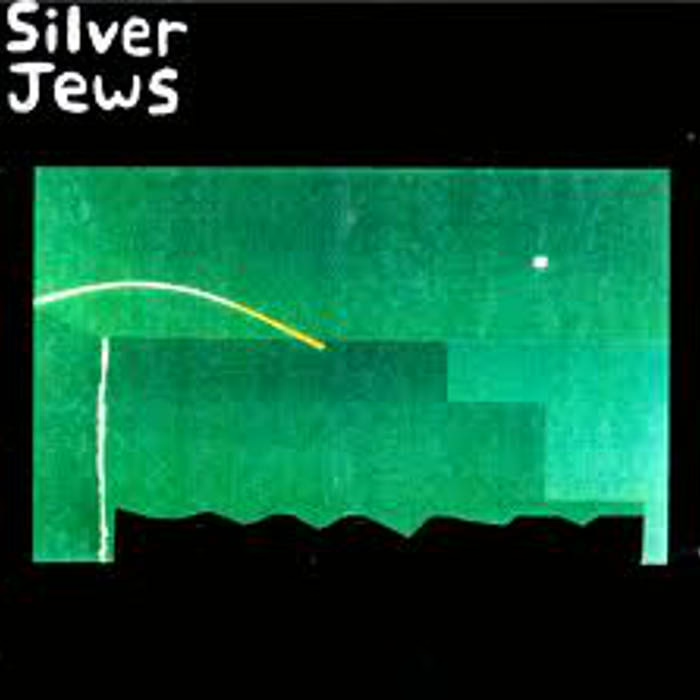
A stark and sobering album, The Natural Bridge strips back the band’s sound to its bare essentials. This is a record rooted in alienation and introspection, with Berman’s lyrical density at its most impressionistic and opaque. Recorded without Malkmus and Nastanovich, it’s a lonelier, rawer affair—haunted by quiet despair and loaded with surreal yet resonant imagery. There’s an almost mythic sense to the landscapes Berman describes, and the melodies are understated but magnetic. This album doesn’t grab you right away—it unfolds slowly, like a secret. Over time, its quiet beauty and poetic depth make it one of his most rewarding efforts. Ask ten fans their favorite, and more than a few will whisper this one.
Key Track: “Albemarle Station” – Dreamlike and elliptical, with a perfect mix of menace and melancholy.
A stripped-down, mysterious masterpiece steeped in poetic dread.
2. Purple Mountains (2019)
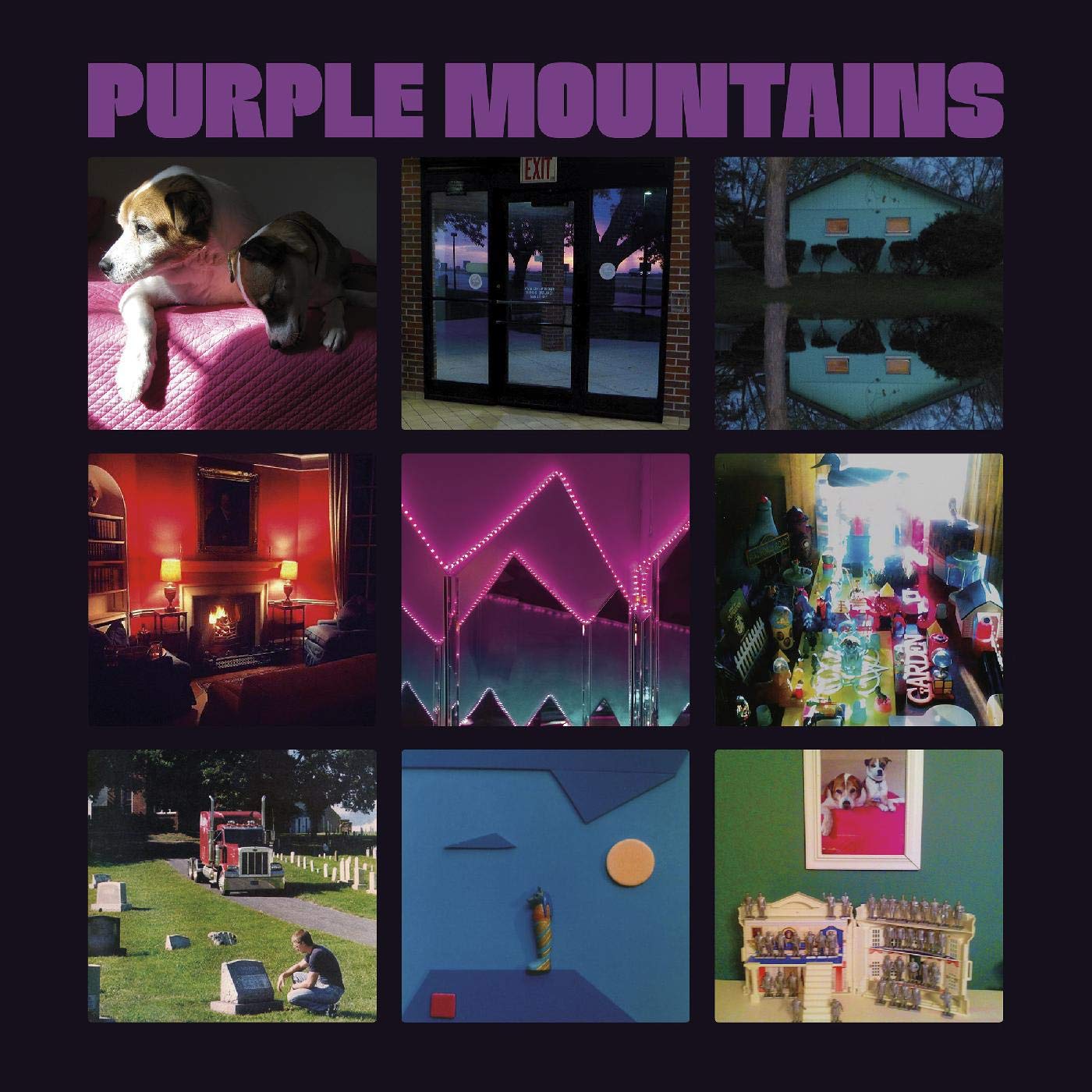
Berman’s long-awaited return under a new name delivers an emotionally devastating and melodically rich album. Purple Mountains finds him confronting mortality, loneliness, and depression head-on, with lyrics that are unflinchingly honest yet still disarmingly witty. Backed by members of Woods, the music is lush, country-leaning, and surprisingly accessible—adding a bittersweet contrast to Berman’s bleakest lyrical content. Songs like “All My Happiness Is Gone” and “Nights That Won’t Happen” are both deeply personal and universally resonant. It’s the kind of record that cuts deep, offering comfort in its raw vulnerability. Tragically, it would be Berman’s last release, but it’s also among his very best. It topped TFN’s best-of list in 2019 for a reason: few records hit this hard, or this honestly.
Key Track: “I Loved Being My Mother’s Son” – A heart-wrenching tribute wrapped in gentle grace.
Berman’s tragic swan song—raw, melodic, and emotionally unflinching.
1. American Water (1998)

A defining record of the ’90s indie era, American Water finds David Berman and Stephen Malkmus firing on all cylinders. The album seamlessly blends abstract poetics, dry humor, and country-tinged instrumentation into a work that feels both profound and playful. It’s more musically confident than earlier Silver Jews efforts and full of unforgettable lines (“In 1984, I was hospitalized for approaching perfection”). The band’s chemistry is magnetic, with Malkmus’ guitar work adding propulsion and surprise. Berman’s voice feels particularly grounded—wiser, sadder, and wittier all at once. This is the record where Silver Jews became undeniable: brainy and heartbreaking, loose and luminous.
Key Track: “Random Rules” – A warm, funny, and philosophical alt-country anthem for loners.
A career peak that balances humor, sadness, and melody with rare grace.
Final Groove
David Berman’s body of work—across Silver Jews and Purple Mountains—is a singular blend of offbeat wisdom, crushing honesty, and uncanny observation. His lyrics often read like private jokes and public confessions all at once. Whether backed by country slide guitars or fractured noise, Berman’s voice was always unmistakable—imperfect, poetic, and profoundly human. These albums capture a restless spirit searching for meaning, connection, and peace, often at odds with himself. The legacy he left behind is one of indie rock’s most powerful, offering refuge and revelation to listeners still stumbling through life’s backroads. The songs never get old. They just get truer.

A lifelong fan of new music—spent the '90s working in a record store and producing alternative video shows. In the 2000s, that passion shifted online with blogging, diving headfirst into the indie scene and always on the lookout for the next great release. Still here, still listening, and still sharing the best of what’s new.
- Christopher Anthonyhttps://thefirenote.com/author/canthony/

- Christopher Anthonyhttps://thefirenote.com/author/canthony/

- Christopher Anthonyhttps://thefirenote.com/author/canthony/
- Christopher Anthonyhttps://thefirenote.com/author/canthony/