 This Is Lorelei
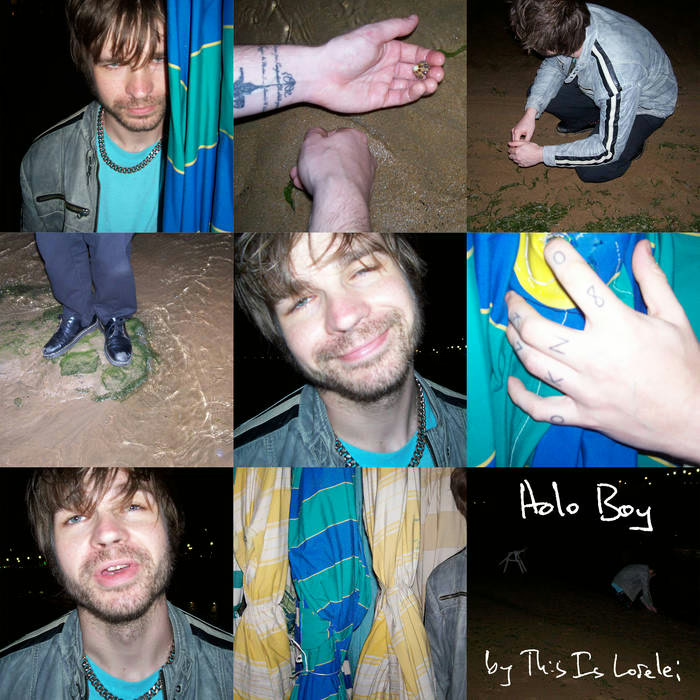
Holo Boy
Double Double Whammy [2025]
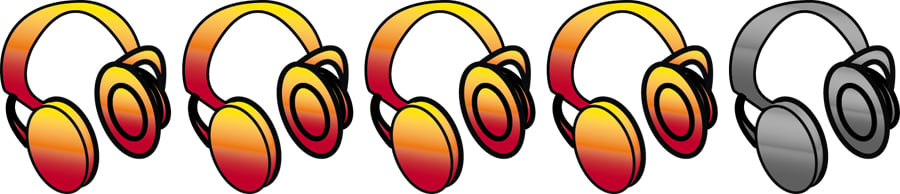
“Proof that revisiting old songs can feel less like looking back and more like leveling up.”
Album Overview: This Is Lorelei is the long-running project of New York City songwriter Nate Amos, whose catalog quietly grew for more than a decade before wider recognition finally caught up. Early releases lived mostly online, functioning more like personal sketches than formal statements. That shifted with Box for Buddy, Box for Star, which brought Amos’ work to a larger audience without severing ties to his earlier output. Alongside his role in Water From Your Eyes, Amos now moves fluidly between projects, treating past and present as part of the same continuum. Released in December of last year, Holo Boy arrived at the close of a pivotal year, collecting ten songs written between 2014 and 2021 and reshaping them into a focused, self-contained album. Rather than feeling like a recap, the record reframes older material with care and intention. Recorded quickly in 2025, it captures This Is Lorelei as it sounds now, while keeping the emotional core of the original versions firmly intact.
Musical Style: Holo Boy leans into guitar-driven songwriting, favoring clean arrangements and steady forward motion. Acoustic patterns and lightly textured electric parts carry the songs without clutter, giving melodies and phrasing room to breathe. The production keeps things cohesive, creating a unified atmosphere even as the material spans several different writing periods.
Evolution of Sound: Across Holo Boy, earlier songs are reshaped through subtle but meaningful shifts. Vocals that once felt hushed or distant now sit confidently at the center. Electronic elements step aside in favor of clearer instrumentation, and the pacing feels more direct. These changes don’t erase the originals; instead, they show how time and confidence can sharpen perspective without losing intent.
Artists with Similar Fire: Listeners drawn to the melodic instincts of Alex G and Beck, the grounded songwriting of MJ Lenderman, or the understated pop touch of Snail Mail will find familiar ground here. There’s also a thread of simple, harmony-driven indie pop reminiscent of Ben Lee or indie rock from Self. Like those artists, Amos builds depth gradually, letting small adjustments speak louder than big stylistic swings.
Pivotal Tracks: “Name the Band” sets the tone with a direct hook and a clear sense of purpose, serving as an easy entry point into the album. “I Can’t Fall” reshapes an earlier song with a stronger vocal presence and fuller arrangement, shifting its emotional weight without changing its core. “Dreams Away” trades electronic haze for forward-moving indie pop, adding lift and clarity to its structure. “My Friend 2” stays closer to its original form, where cleaner recording choices quietly deepen its emotional pull.
Lyrical Strength: The writing across Holo Boy benefits from distance. Lines that once felt tentative or inward now land with wit, self-awareness, and restraint. By revisiting these songs without rewriting them, Amos lets the lyrics mature on their own terms, turning memory into conversation rather than correction.
Final Groove: Holo Boy succeeds by resisting the urge to overthink its own history. Instead of chasing reinvention, Nate Amos refines what was already there, trusting the songs to carry new meaning simply by being heard in a different light. It’s a thoughtful, quietly confident record that rewards close listening while staying easy to return to. More than a retrospective, Holo Boy feels like a fresh bridge, hinting that wherever This Is Lorelei heads next, the path forward is wide open.
THIS IS LORELEI LINKS
Website | Instagram | Bandcamp | Double Double Whammy

I grew up on Pacific Northwest basement shows, made playlists when I should’ve been sleeping, and still can’t shake my love for shoegaze haze, indie pop honesty, and messy singer/songwriter anthems.
- Lena Bishophttps://thefirenote.com/author/guest/
- Lena Bishophttps://thefirenote.com/author/guest/

- Lena Bishophttps://thefirenote.com/author/guest/

- Lena Bishophttps://thefirenote.com/author/guest/