
Amplified Vault: A Monthly Deep Dive into Iconic Albums & Artists
Amplified Vault unpacks legendary discographies, decoding what made them matter—and how they still resonate. For this December installment, we revisit the swaggering, world‑dominating rise of Oasis — a band whose blend of Beatles‑style grandeur, rebel attitude, and Britpop swagger sound‑tracked a generation. With their massive Live ’25 reunion tour scratch‑marking history (their first live appearances together in 16 years), Oasis returned as more than nostalgia: they roared back as a cultural event, packing stadiums and reminding the world why they still matter. From their anthemic highs to their divisive experiments, Oasis shaped the ’90s and defined Britpop — and this ranking makes the case for how each chapter stacks up.
Amplified Vault: Decoding Oasis – Ranking Every Album
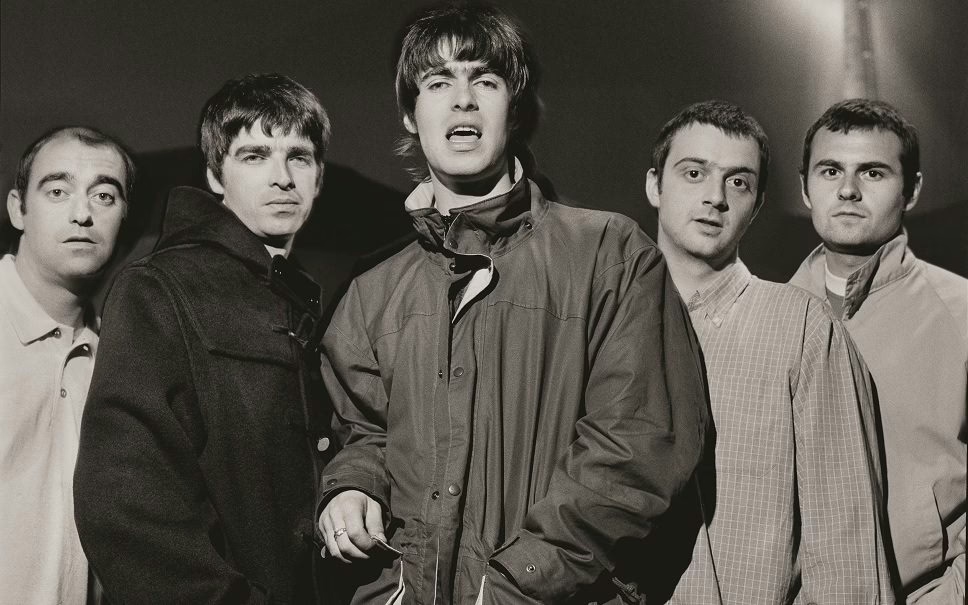
Britpop Icons. Arena Kings. Rock’n’Roll Revivalists.
For this December installment, we revisit the swaggering, world‑dominating rise of Oasis. Formed in Manchester in 1991, Oasis quickly became the defining force of the Britpop era. Led by the volatile sibling duo of Liam and Noel Gallagher, the band fused Beatles-sized ambition with swaggering attitude, working-class grit, and a knack for sky-scraping hooks. Their early success was meteoric—Definitely Maybe and (What’s the Story) Morning Glory? became cultural landmarks, soundtracking a generation. But behind the massive choruses and festival anthems was a band in constant turmoil. Lineup changes, public feuds, and tabloid drama couldn’t stop their dominance, and even as their imperial phase faded, Oasis remained a powerful presence. Long after their 2009 split, their influence persists—and with a successful 2025 reunion tour behind them, the legacy continues to grow louder.
Bonus Entry: The Masterplan (1998)
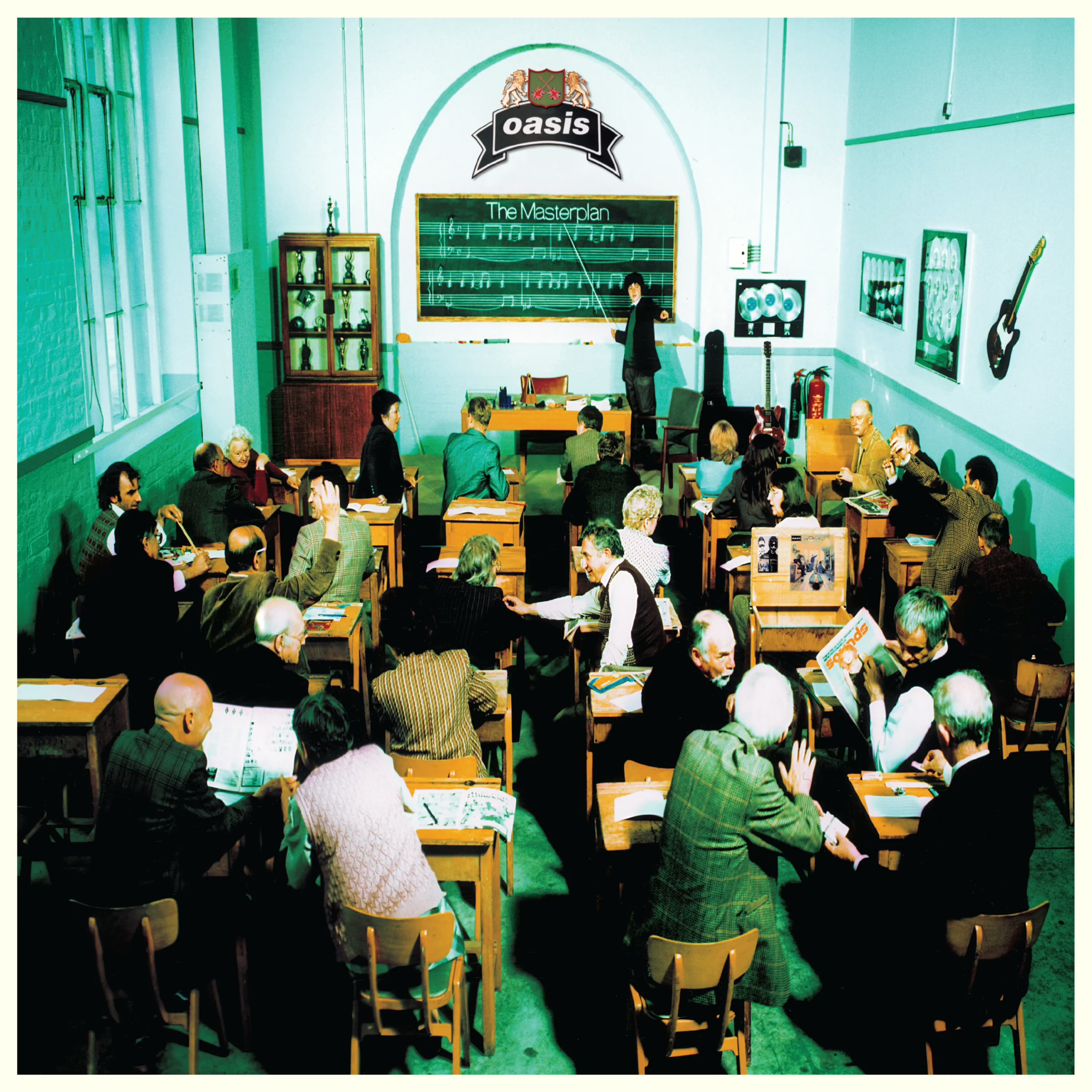
One of the greatest B-sides collections ever released, The Masterplan plays like a shadow album from Oasis’ golden era. Compiled from the band’s prolific singles output, it includes fan favorites like “Acquiesce,” “Talk Tonight,” and “Stay Young”—tracks good enough to anchor most bands’ A-sides. “The Masterplan” itself is among Noel Gallagher’s finest songs, a sweeping, orchestral statement that rivals anything on their main albums. This isn’t just filler; it’s a compelling portrait of Oasis at their creative height, showcasing the depth of their songwriting bench. For fans, it’s not a supplement—it’s essential.
Key Track: “The Masterplan” – A grand, reflective ballad with symphonic scope and timeless melody.
An all-time great B-sides compilation that rivals their main catalog in both spirit and quality.
7. Heathen Chemistry (2002)
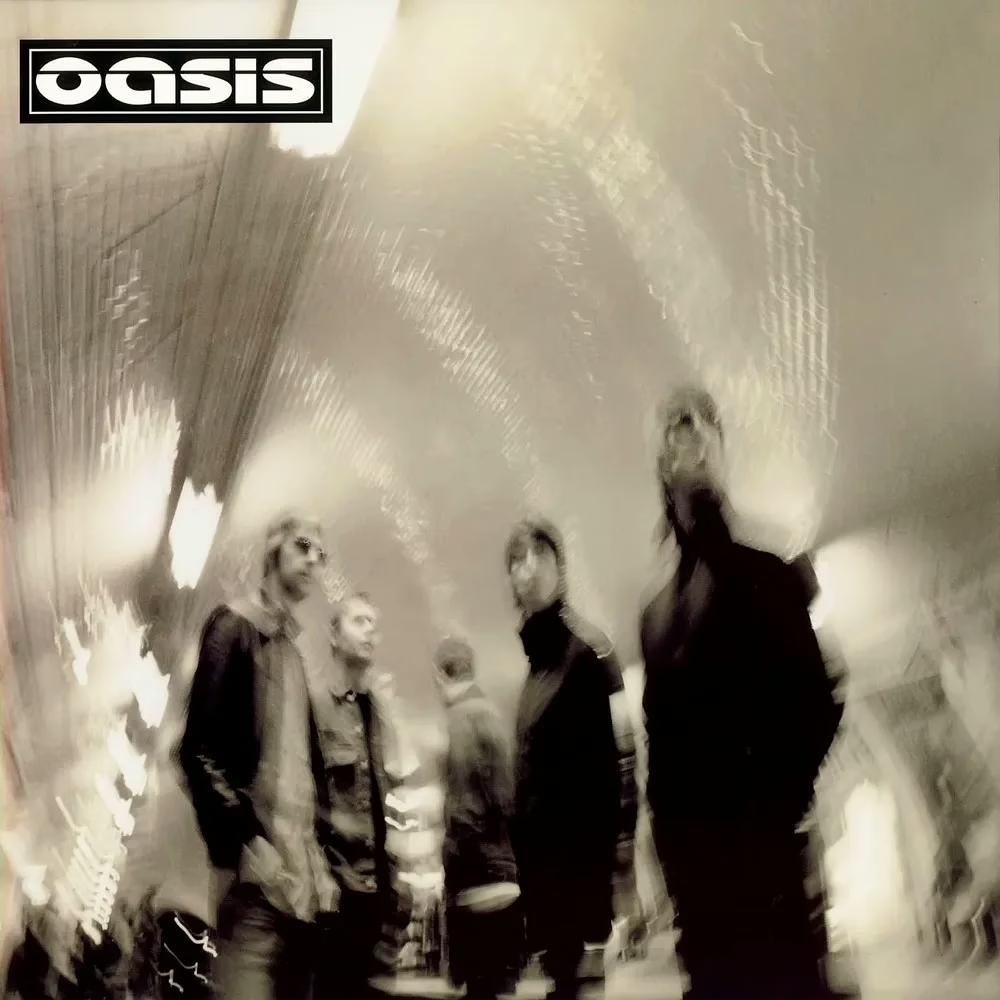
Heathen Chemistry is the sound of a band regrouping and settling into a new lineup. Liam’s songwriting improves with “Songbird,” and the band embraces more melodic, Beatles-inspired material. It’s a relaxed album with a few strong moments, “Stop Crying Your Heart Out” and “Little by Little” stand out, but it lacks the fire of earlier records. The cohesion isn’t always there, and the production occasionally feels flat. Still, there’s a warm familiarity that longtime fans can appreciate, and the seeds of their future revival are planted here. Not essential, but far from disposable, it’s the calm between storms in their catalog.
Key Track: “Stop Crying Your Heart Out” – A sweeping ballad that trades swagger for sincerity, with classic Oasis uplift.
Uneven but warm-hearted, this record blends Lennon worship with growing band contributions.
6. Dig Out Your Soul (2008)
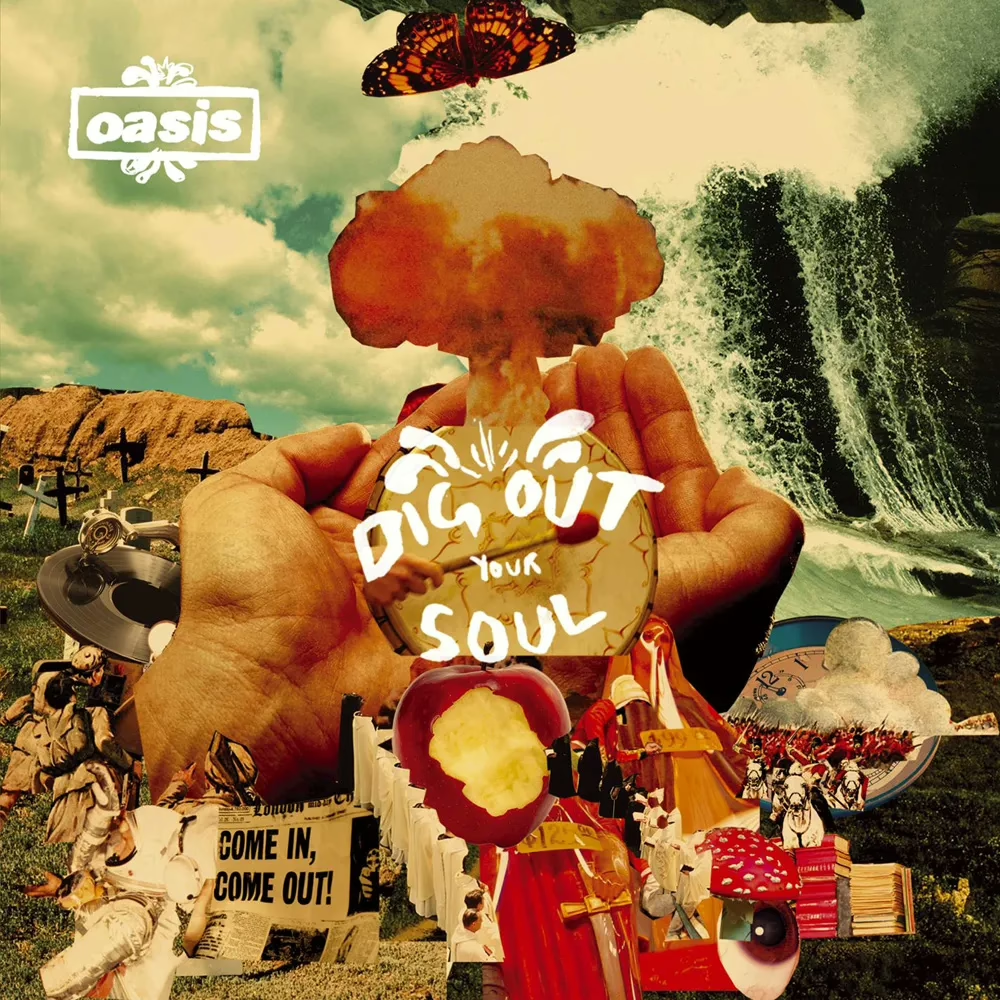
Oasis went out with a bang, not a whimper. Dig Out Your Soul is a loud, psychedelic-leaning farewell filled with chunky riffs and mystical overtones. There’s a renewed sense of band chemistry, with Liam, Gem, and Andy contributing songs that stretch beyond traditional Oasis formulas. “Bag It Up” and “The Shock of the Lightning” deliver the stomp and snarl, while “Falling Down” hints at something deeper and stranger. While not every track hits, the record exudes a clarity of purpose and ends the band’s career on a gritty, cosmic note. It’s not a reinvention, but a reaffirmation of what they could still do well.
Key Track: “Falling Down” – Trippy and layered, it’s a slow-burn standout that hints at what might’ve come next.
A fuzzed-out, psychedelic closer that lets the band go out swinging with style and stomp.
5. Standing on the Shoulder of Giants (2000)
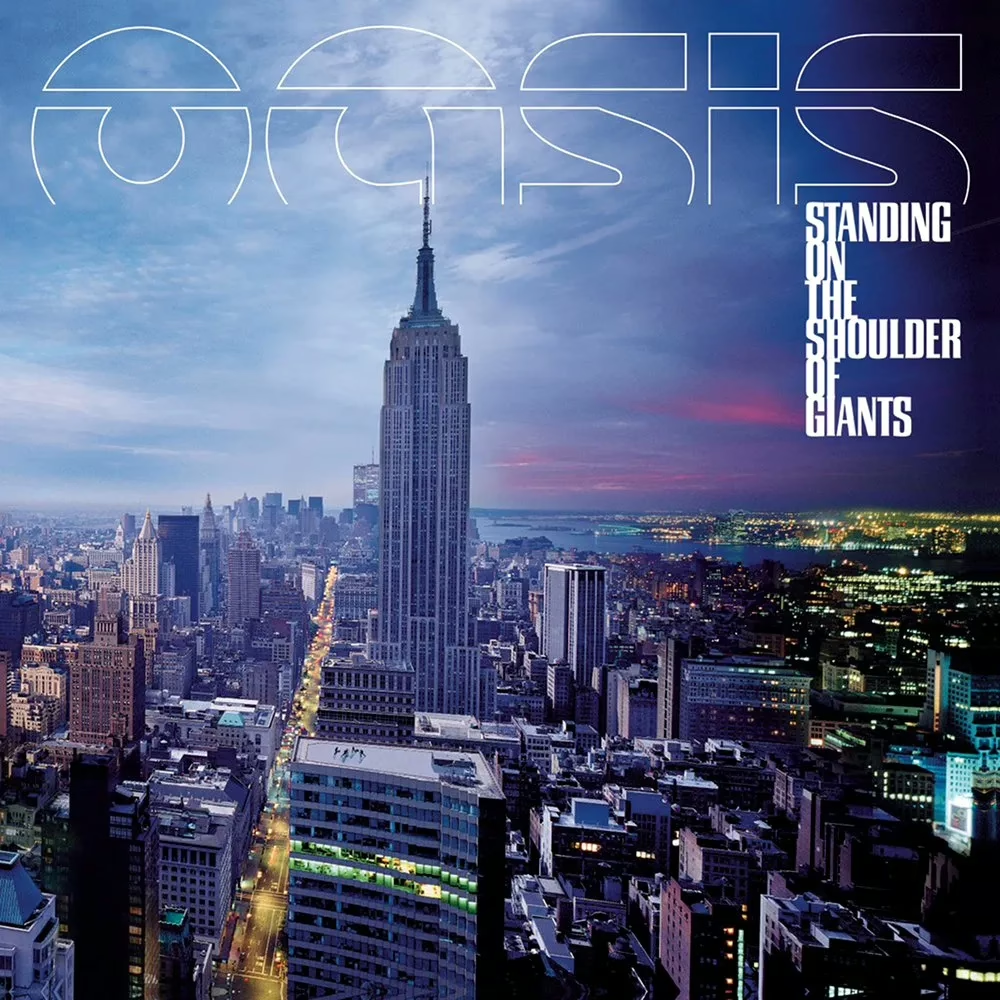
This transitional album marked the end of the original lineup and the start of Oasis’ 2000s reinvention. Gone were Bonehead and Guigsy, and in came heavier, moodier tones. Noel experiments with electronics and psych-tinged textures, while Liam contributes his first writing credit with “Little James.” Though uneven, the album contains a few standouts that hint at what was to come, particularly the dark, swirling “Gas Panic!” and the trippy single “Go Let It Out.” It’s an introspective, occasionally gloomy affair, reflective of the uncertainty swirling around the band. Standing isn’t top-tier Oasis, but its atmosphere and willingness to explore deserve credit.
Key Track: “Gas Panic!” – A paranoid, psychedelic storm of a track that showcases the band’s darker edge.
Moody, experimental, and transitional, this record finds Oasis searching through the fog.
Oasis Essentials: Deep Cuts & Hidden Gems
Beyond the stadium anthems and chart-toppers, Oasis hid plenty of gems in plain sight—album tracks, B-sides, and overlooked singles that still pack a punch.
“Fade Away” – Cigarettes & Alcohol – Single
A raw, fast-charging early B-side that delivers anthemic desperation with a sneer—classic Oasis energy with zero polish.
“Rockin’ Chair” – Roll With It – Single
A hauntingly melodic Noel-sung ballad that rivals the emotional depth of their biggest hits—wistful, warm, and deeply underrated.
“Let’s All Make Believe” – Go Let It Out – Single
A mournful, majestic B-side that Noel once claimed was “better than anything on *Standing on the Shoulder of Giants*.” He might be right.
“One Way Road” – Who Feels Love? – Single
This mid-tempo stunner showcases Noel’s reflective songwriting at its peak—equal parts soulful and psychedelic.
“Part of the Queue” – Don’t Believe the Truth
A murky, hypnotic groove wrapped around existential lyrics—mature, understated, and surprisingly vital.
“I’m Outta Time” – Dig Out Your Soul
Liam’s Lennon-worship finally lands with emotional impact—beautifully arranged and full of melancholy charm.
“Whatever” – Non-Album Single
Their first standalone single, “Whatever” is a sweeping, string-laden anthem of freedom and defiance that pointed to Noel’s growing ambition as a songwriter.
“The Masterplan” – The Masterplan
Originally a B-side, this sweeping, string-laced track has since become one of the band’s most beloved—and a mission statement for their grand ambition.
“Cum On Feel the Noize” – Don’t Look Back In Anger – Single
Originally by Slade, this B-side is more than just a glam-rock cover. Oasis crank it into swaggering territory, blending reverence with raw Mancunian bravado. A rare glimpse of the band leaning fully into their glam influences, it’s one of their most explosive non-album tracks.
4. Be Here Now (1997)
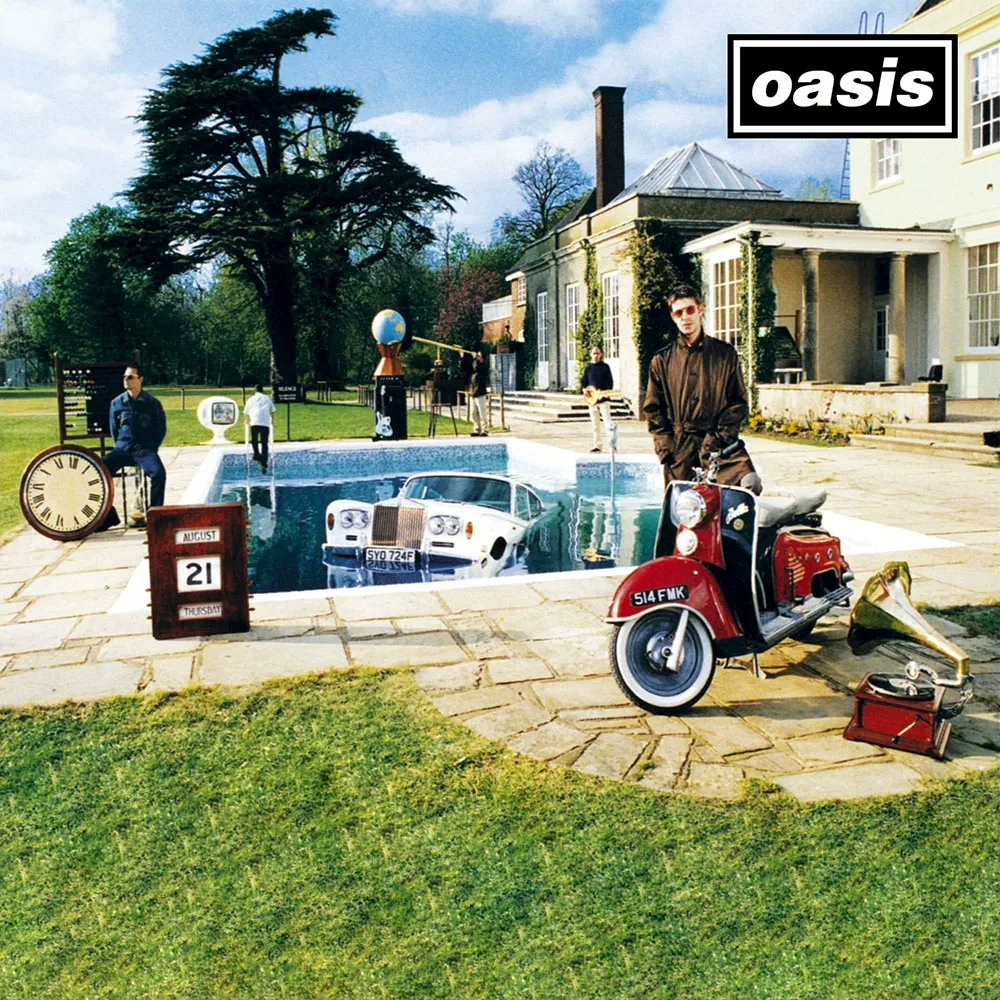
The most excessive album in their catalog, Be Here Now is a glorious mess—bloated, bombastic, and weirdly irresistible. Released in a blinding haze of cocaine and hubris, it was an instant blockbuster that baffled critics and fans alike. Songs stretch far past radio-friendly runtimes, solos pile up endlessly, and the production is drenched in walls of sound. But there’s a magic in the mania, and revisiting it now reveals moments of brilliance buried under the chaos. It’s the sound of a band at its commercial peak and creative crossroads. Be Here Now may not be perfect, but it’s unforgettable, flawed in ways that make it fascinating.
Key Track: “D’You Know What I Mean?” – An explosive opener that encapsulates the album’s epic ambition and distortion-drenched wall of sound.
Bloated, brilliant, and bizarre—this cocaine-fueled epic remains a fascinating overcorrection to superstardom.
3. Don’t Believe the Truth (2005)
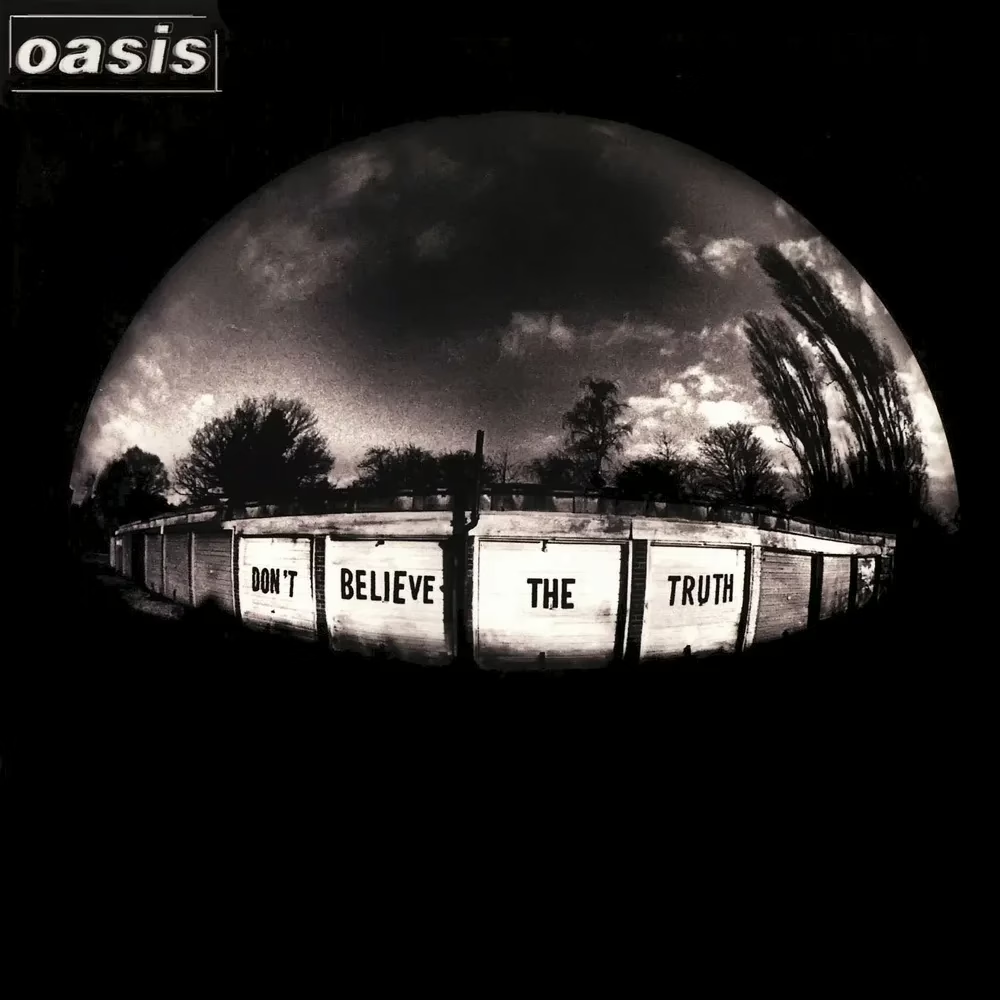
After a few bumpy years, Oasis bounced back with Don’t Believe the Truth, an album that embraced variety and a democratic writing process. Noel still leads the charge, but contributions from Liam, Andy Bell, and Gem Archer breathe new life into the band’s sound. Tracks like “The Importance of Being Idle” and “Lyla” show a newfound clarity with less bluster, more bite. It’s an album about rediscovery and resilience, with nods to psych-pop, mod rock, and even Dylan-esque folk. More than a comeback, it’s a re-centering, showing the band finally comfortable aging into themselves. The cohesion and confidence here make it their most consistent record since the ‘90s.
Key Track: “The Importance of Being Idle” – Noel channels Ray Davies with lazy swagger and unexpected charm.
A late-period triumph that re-centered the band with sharper songwriting and democratic energy.
2. Definitely Maybe (1994)
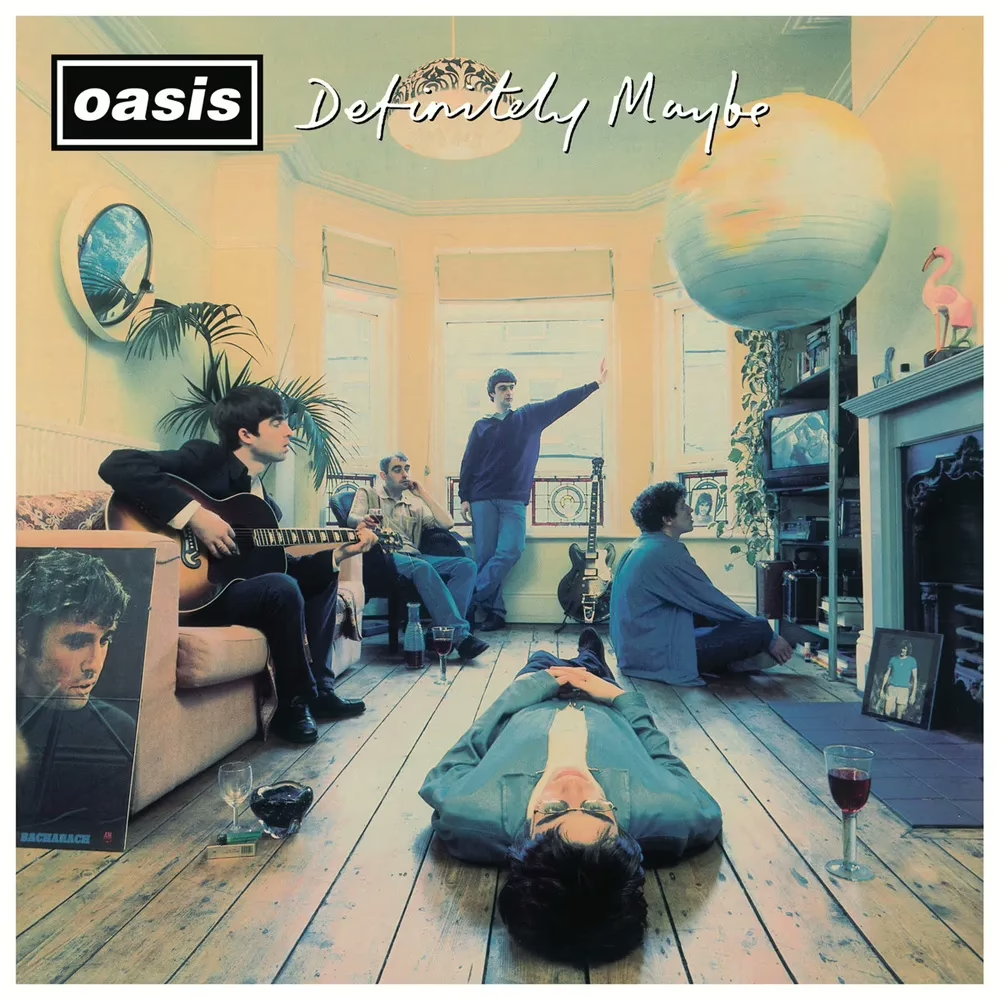
Oasis arrived fully formed with Definitely Maybe—a debut that blasted through the UK’s early-’90s malaise with wall-to-wall confidence and chiming, overdriven guitars. It’s raw, loud, and gloriously self-assured, with Liam Gallagher’s sneering vocals riding atop layers of fuzzed-out riffs. The album captures the urgency of young men certain the world is theirs, and it hasn’t lost that energy. From the swirling anthem “Live Forever” to the propulsive stomp of “Supersonic,” this is a record that sounds like a victory lap in real time. It remains one of the most thrilling debuts in British rock, an intoxicating mix of ego and euphoria that set the tone for everything that followed.
Key Track: “Live Forever” – An immortal Britpop mission statement, hopeful and defiant in equal measure.
A debut bursting with ambition, grit, and eternal youth—still one of rock’s most thrilling first volleys.
1. (What’s the Story) Morning Glory? (1995)
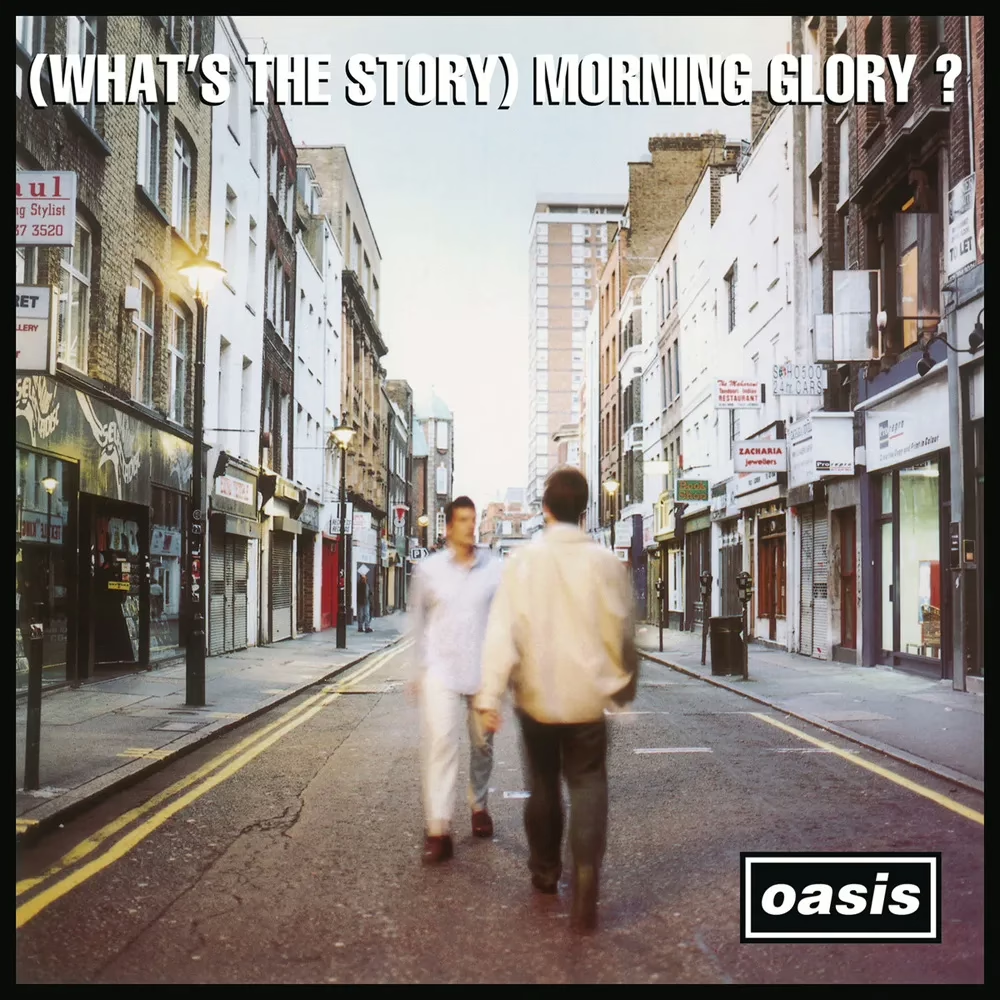
The album that turned Oasis into global superstars, Morning Glory refined the rough edges of their debut into something stadium-sized. Produced by Owen Morris and built around Noel Gallagher’s increasingly anthemic songwriting, it blends Beatlesque melodicism with Britpop swagger. “Wonderwall,” “Don’t Look Back in Anger,” and “Champagne Supernova” became cultural landmarks—songs that still ring out from pub corners to festival fields. While it’s sleeker than Definitely Maybe, it’s no less emotionally resonant, and its sense of grandeur defines a decade. Released at the peak of the Britpop boom, this record made Oasis a household name and gave the Gallagher brothers a platform from which they’d never truly descend.
Key Track: “Champagne Supernova” – A psychedelic, slow-building epic that captures the band’s ambition and melodic depth.
Britpop’s crowning jewel, this massive, melodramatic album turned Oasis into world-conquering icons.
Final Groove
Oasis have always been larger than life—brothers, brawlers, balladeers—and their legacy has only grown in the years since their split. With the wildly successful Live ’25 reunion tour, the band reminded the world that their music wasn’t just tied to the past, it’s still capable of uniting stadiums in song. These records, in all their swagger and excess, remain cultural touchstones. From the raw genius of Definitely Maybe to the grandeur of Morning Glory? and the underrated craft of Don’t Believe the Truth, Oasis built a discography that still shouts louder than the doubters. The reunion didn’t just celebrate nostalgia, it proved these songs still live forever.

A lifelong fan of new music—spent the '90s working in a record store and producing alternative video shows. In the 2000s, that passion shifted online with blogging, diving headfirst into the indie scene and always on the lookout for the next great release. Still here, still listening, and still sharing the best of what’s new.
- Christopher Anthonyhttps://thefirenote.com/author/canthony/

- Christopher Anthonyhttps://thefirenote.com/author/canthony/
- Christopher Anthonyhttps://thefirenote.com/author/canthony/
- Christopher Anthonyhttps://thefirenote.com/author/canthony/